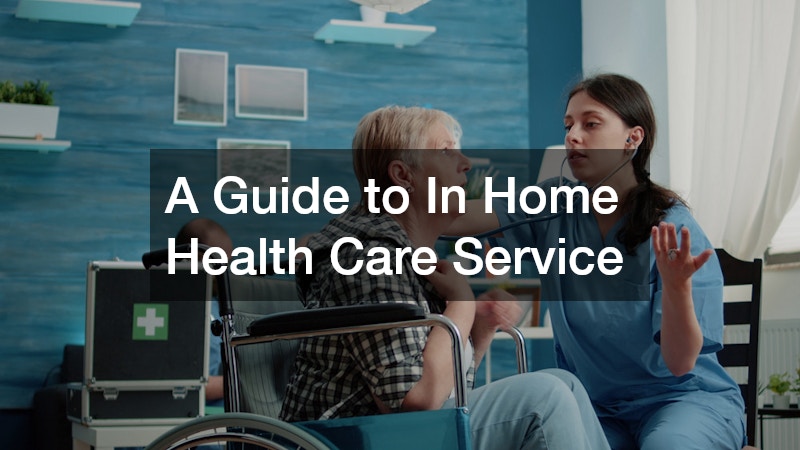
This guide helps you understand and navigate in home health care services, addressing common questions. As demand for personalized health care grows, in home services offer a significant option for families to ensure continuous care without hospital visits. This article outlines key components to assist you in making informed decisions.
Exploring various options and discussing them with healthcare providers can elucidate the most effective approach for your situation.
What is In Home Health Care?
Definition and Overview
In home health care provides medical and personal care in the comfort of home, combining health professional expertise with convenience. It bridges the gap between hospital care and independent living, ideal for those preferring personalized care and comfort. These services adapt to the evolving needs of the patient, ensuring consistent and quality care.
Types of Services Offered
Services include medical care like skilled nursing, physical therapy, and non-medical support such as help with bathing, dressing, and meals. Specialized services, like palliative care, are also available, allowing for tailored care plans. Providers often offer flexibility in service packages to cater to changing demands of patient care.
Who Can Benefit from In Home Care?
Suitable for the elderly, chronically ill, and post surgery patients, in home care offers a familiar environment and improved wellbeing. It’s a convenient option for busy families and aids recovery after hospital stays, enhancing life quality for all. Emotional support and companionship are additional benefits of home care services.
How to Choose the Right In Home Health Care Provider?
Identifying Your Needs
Identify specific care requirements, from medical care to personal assistance. Consider care frequency and duration, discussing needs with family and healthcare professionals to select a suitable provider. A thorough assessment helps in creating the most effective care plan tailored to individual needs.
Researching Providers
Investigate potential providers through referrals, reviews, and observing operations. Ensure the provider’s reputation and competence by visiting agencies and asking questions. Building a rapport with potential caregivers can also aid in making an informed choice.
Evaluating Credentials and Certifications
Verify that providers are licensed, bonded, and insured, adhering to state regulations. Check healthcare professionals’ qualifications to ensure they meet industry standards. Accreditation from recognized authorities can further assure quality of service.
What Are the Costs Involved in In-Home Health Care?
Understanding Pricing Models
Costs vary based on care level and pricing models, which include hourly rates and flat fees. Transparency in pricing helps prevent unexpected costs, making initial consultation discussions crucial. Exploring all financial aspects upfront can prevent future financial strain.
Insurance and Payment Options
Insurance may cover some services. Verify coverage specifics, and consider alternate payment options like Medicaid and Medicare. Providers often help with billing and claims processing. Understanding policy details and limitations can be crucial when budgeting for these services.
Cost-Saving Strategies
Strategies like sharing responsibilities and flexible care packages can reduce costs. Regular reviews of care needs adjust services and expenses effectively. Being proactive in financial planning ensures sustainable care.
How to Prepare Your Home for In Home Health Care?
Safety and Accessibility Considerations
Enhance safety with modifications like grab bars and adequate lighting. Ease of access is crucial for those with mobility issues, with occupational therapists providing guidance. Periodic evaluation and updates ensure that safety standards are met consistently.
Creating a Comfortable Environment
Comfort impacts well-being; personalize spaces to foster a comforting atmosphere. Balancing essential equipment with personal items prevents clutter. Integrating technology can also help streamline daily activities and improve comfort.
Necessary Equipment and Supplies
Medical equipment and care supplies are essential. Collaborating with healthcare professionals ensures appropriate supplies and effective usage. Proper organization and understanding of equipment functionality contribute to the efficiency of home care.
What Challenges Might Arise With In Home Health Care?
Communication Barriers
Effective communication is vital. Establish open lines to address concerns promptly, fostering trust and respect in care relationships. Regular meetings can help in maintaining clear communication and addressing any issues that arise.
Cultural and Personality Differences
Recognize cultural differences to minimize conflicts and customize care approaches, promoting harmony and inclusivity. Tailoring care plans that respect individual backgrounds fosters a more personal and effective care experience.
Managing Expectations
Set clear goals and regularly assess progress to manage expectations, ensuring care meets everyone’s needs adequately. Consistent feedback and flexibility can greatly improve satisfaction for both patients and caregivers.
Understanding in home health care services helps optimize health and wellbeing at home, offering flexibility and comfort. With insights from this guide, navigate in home health care complexities confidently, enhancing life quality. Engaging with professional support networks can further enrich the care experience for all parties involved.