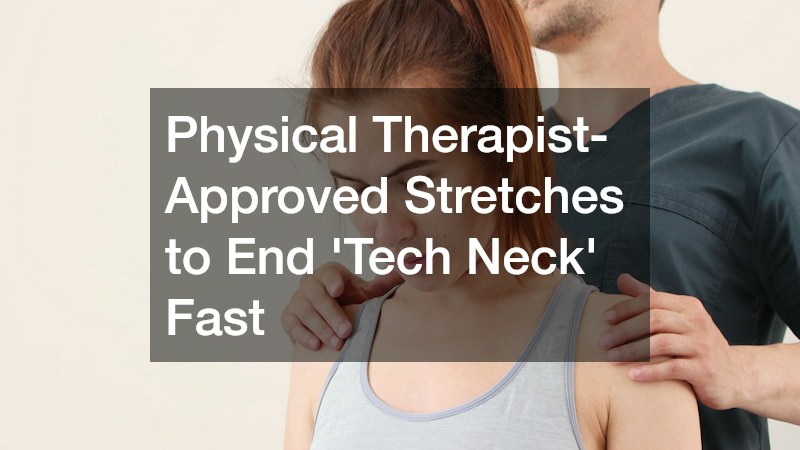
Tech neck is a growing concern in the digital age, leading to discomfort and pain for many. This article explores essential stretches that are recommended by physical therapists to quickly alleviate symptoms of tech neck.
What is Tech Neck and How Does it Affect Us?
Understanding the Symptoms and Causes
Tech neck typically presents as pain or stiffness in the neck that can extend to the shoulders and upper back. Major causes include prolonged periods of looking downward at screens, such as phones, tablets, or laptops.
This constant position places excessive strain on the neck muscles and leads to misalignment.
Many people experience tech neck as a dull ache but it can progress to sharp pain if not addressed. The position can also contribute to headaches and even migraines due to muscle imbalances and tension. It’s vital to recognize these symptoms early to prevent worsening conditions.
The advent of digital technology has drastically changed our posture, often leading to what is commonly referred to as tech neck. As workspaces become more digital, there’s been a noticeable rise in complaints related to neck discomfort. Addressing tech neck involves understanding its root causes and implementing preventive measures.
The Long-Term Effects of Neglecting Tech Neck
Long-term neglect of tech neck can lead to chronic pain and muscular imbalances that are challenging to correct. Over time, prolonged strain can result in serious structural issues affecting posture and alignment. Such neglect can escalate to conditions like herniated discs or degenerative spinal changes.
Ignoring tech neck symptoms can exacerbate underlying health conditions, such as arthritis. Increased screen time without breaks and ergonomic adjustments can also intensify these issues. Making conscious efforts to alleviate symptoms early on is crucial in avoiding long-term damage.
Untreated tech neck can affect both physical health and quality of life. People might experience consistent discomfort that can limit mobility and activity. This restriction in movement often impacts mental well-being, contributing to stress and decreased productivity.
How Can Stretches Help Relieve Tech Neck?
The Scientific Benefits of Stretching
Stretching helps to improve flexibility, reducing muscle tension, and increasing blood circulation. Regularly stretching the neck can enhance its range of motion and reduce pressure on affected areas. This reduction in stress can significantly alleviate tech neck symptoms and promote recovery.
Scientific studies have demonstrated that stretching can cause physiological changes in muscle tissue that enhances function. By lengthening muscle fibers, stretches contribute to improved postural alignment. This adjustment can counteract the effects of tech neck by restoring natural neck positions.
The act of stretching encourages muscle relaxation and can break the cycle of tension induced by repetitive screen use. It is essential in maintaining the elasticity of soft tissues subject to daily strain. Stretching becomes a preventive tool for those regularly engaged with digital devices.
Physical Therapist Insights on Effective Stretches
Physical therapists emphasize the importance of targeted stretching routines to combat tech neck. Practical exercises such as neck tilts, shoulder shrugs, and chin tucks are regularly recommended for relief. These movements focus on the areas most affected by tech use, offering quick reduction in discomfort.
According to experts, effective stretches should be both gentle and repetitive, promoting gradual improvement without strain. Unlike strenuous workouts, focused stretches require minimal effort but yield significant benefits when done consistently. This gentle approach ensures individuals can integrate them seamlessly into their daily routines.
Therapists advocate for creating balance in muscle strength and length through specific stretches. Techniques involving gradual stretching of the trapezius and levator scapulae muscles are advised. Patients utilizing these therapies report improvements in neck health and posture over time.
Which Stretches are Best for Tech Neck?
Top Stretches Recommended by Experts
Experts recommend a variety of stretches specifically designed to target neck tension resulting from tech use. Neck rotations, where the head is gently turned from side to side, help release tight muscles. Another effective exercise is the seated neck release, which focuses on stretching the neck through sideways tilting.
The Levator Scapula Stretch is also highlighted by therapists as a top choice for tech neck relief. This stretch involves bending the head forward to gently lengthen the back of the neck and shoulders. The Chin Tuck exercise is praised for its ability to strengthen the neck’s frontal muscles, thereby correcting posture.
These recommended stretches are designed to be simple yet profoundly beneficial, targeting key areas of strain. They can be performed almost anywhere, offering flexibility to fit into busy lifestyles. Consistency in performing these stretches can greatly enhance neck health, mitigating the effects of tech neck.
Step-by-Step Guide to Performing Key Stretches
To perform the Neck Rotation, sit upright and slowly turn your head to one side until you feel a gentle stretch, holding for several seconds. The Seated Neck Release requires you to sit in a comfortable position and drop one ear towards the shoulder, applying light pressure with the opposite hand for a deeper stretch. Repeat on the other side to ensure balance.
For the Levator Scapula Stretch, sit with your back straight, and turn your head to the side to a 45-degree angle. Gently tilt your chin towards your chest, feeling the stretch along the back of your neck. Assist with one hand behind the head to increase the stretch if needed.
The Chin Tuck involves sitting or standing with shoulders back and down. Without bending the rest of the neck, tuck your chin slightly downward, holding the position to feel tension release. Perform these exercises regularly to maintain their beneficial effects and relieve tech neck steadily.
Tech neck doesn’t have to be a permanent issue; with the right stretches and guidance from physical therapists, anyone can overcome the discomfort quickly and effectively. Incorporate these expert-approved techniques into daily life for a healthier neck and improved well-being. A proactive approach to managing tech usage and ensuring good posture can complement these physical exercises for optimal results.